

Bunk Beds For Adults
It is important to first determine the size of the bunk bed you want to buy for adults. If your children aren't very tall, a L-shaped bed will work well. It is also important to ensure that the bed has solid slats. Accessibility and stability are the primary attributes of slats.
Can adults sleep on top of bunk beds?
Bunk beds are a great option to get extra sleep or space for more guests. But you should also consider the safety of the right bunk bed. There are a lot of things to take into consideration, including size and the quality.
While bunk beds are intended to be fun for children but they shouldn't be used by children less than six years old. They should be monitored by an adult and children should not use the ladder or the top bunk.
Also, make sure to verify that the bunk bed you're thinking of buying meets CPSC safety standards. This includes the strength and entrapment risk rating of the bunk bed.
If you're taller than average you'll want to pick a sturdy bunk bed. Some are made specifically to accommodate bigger people.
It is also possible to find a design with a headboard to aid in supporting the mattress on the top bunk. Also, you can think about a clip light to boost the bunk bed's safety.
One of the most common injuries associated with bunk beds are head, neck and face injuries. To avoid these injuries, remove clutter and other dangerous objects in the vicinity of the bunk bed. Avoid using a bunk bed with no solid bed slats or a bunkie board to support it.
If you take the correct measures and follow the correct steps, you'll be able to sleep comfortably in a bunk bed. A bunk bed is an ideal place to entertain guests or relax.
Bunk beds for adults that meet structural and danger of entrapment requirements are the most suitable. Make sure you read the label to verify the maximum weight capacity prior to purchasing a bunkbed.
Stability and accessibility of a bunk bed
Bunk beds are a great choice for children due to their security and fun. Parents need to be aware of the safety rules of bunk beds to ensure that their children have a secure sleep.
Children's bunk beds must meet certain safety standards to be manufactured in the United States. These guidelines are in place to protect children from injuries. Visit the Office of Compliance for more information.
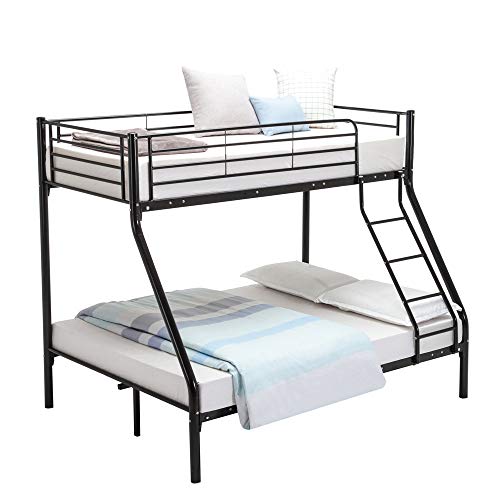
Bunk beds should be inspected at least once every year to ensure that all components are in good order and securely secured. It is also essential to check the mattress for the proper dimensions. You should replace or fix it if it isn't in good condition.
Adults should check the top bunk to see the bunk is secure. It's dangerous for children to hang their clothes over the posts at the corners. Additionally, children under six years of age should never be allowed to sit in the upper bunk without an adult present.
Bunk bed safety railings must be affixed to the bed so that they can move in two directions. They should also be set at least five inches higher than the mattress. Adding extra fasteners can also give the bed extra security.
A ladder can be added to the bed for additional safety. It can be attached to the bed unit or it could be freestanding. Ladders are usually 18 inches wide.
There are beds that don't require slats. You may have to put together the bunk beds separately. If you decide to purchase one that does not have slats in it, be sure to carefully study the instructions.
The age at which you can use a bunk bed
The age limit for bunk beds for adults can differ from one country to another, but generally , the minimum age is six. The Consumer Product Safety Commission recommends that adults not sleep in the top bunk bed. This can make it extremely uncomfortable. If you do choose to sleep on a top bunk, ensure that it's one that is specifically designed for adults.
While bunk beds are believed to be more secure than traditional cribs, they can cause injuries. Some of the most frequent injuries are cuts, bruises and concussions. Children less than 5 years old should not use a bunk bed.
To help ensure the safety of your kids To ensure the safety of your children, install guardrails on both sides of the top bunk. They should not exceed 3.5 inches in length. They should also be at a minimum 3.5 inches in width.
Before putting your child in a bunk bed make sure you review the instructions thoroughly and ensure that the bed is correctly assembled. In addition, you must inform your child about how to properly use bunk beds.
It is recommended to keep your kid away from windows and other potentially dangerous objects, such as ladders. Avoid placing bunk beds close to cords, furniture and other objects that could get caught.
The AAP suggests that parents do not use bunk beds with tops to sleep children under six years old. Children younger than six have an elevated center of gravity and are particularly susceptible to injuries to the head, neck, and face regions.
It's not that difficult to ensure your child's safety. Follow these simple guidelines to ensure an extended and enjoyable life.
Slats in bunk beds are vital
Adults should have a bed made of strong slats. It is safer for them and can offer the proper level of support and ease.
Slats are long strips of metal or wood that are laid horizontally across the bed frame. The size of these slats will differ based on the brand. If the slats' width is too wide, they can cause a mattress's to sag. mid sleeper bunk beds can also prevent air from flowing around the mattress if they're too narrow.
Solid wood is used to make bed slats. They typically measure 2 to 3 inches wider than the mattress. They are spaced about 2.75 inches apart to ensure that the mattress won't sink or slide.
You must consider how you will use the bunk bed when choosing the slats that it will sit on. If you're planning to make use of a tall mattress and slats could be more appropriate than a box spring. If, however, you intend to go with a traditional innerspring mattress, then you may be able to go with a box spring.
Bunk beds are a very popular option for children because they can be used to sleep in both beds. A lot of them have steps that make it easier to climb up to the top bunk. Some ladders are easily removed. To prevent children from falling off the top bunk, a guardrail is often put in place.
A bunk bed is an excellent method to save floor space. A bunk bed can be shared by more than one child and can save you space. Adults also can benefit from having bunk beds.
L-shaped bunk beds work well for families with children sharing rooms
L-shaped bunk beds are a fantastic option for children to have their own sleeping areas. They offer plenty of space and versatility for families with more than one child.
L-shaped bunk beds occupy less space than traditional bunk beds and are also easier to build. They can also be used as storage. You can place an edging rail at the bottom bunk to hang baskets for storage.
Bunk beds are extremely durable and secure. Be sure to read the specifications before buying bunk beds. There will be safety guidelines on a lot of bunk beds.
Another thing to consider is that it's always an excellent idea to establish an established house rule to prevent rough housing. Accidents can happen while children are playing. Creating a rule to discourage rough housing can help ensure that your child have a safe sleep environment.
L-shaped bunk beds make a great choice for older children. The upper bunk is accessed by the ladder. This allows older siblings to sleep on top of the bed, while younger children use the lower bed.
A few L-shaped bunk beds come with an extra sofa bed underneath the bottom bunk. Another feature to look out for is a raised single bed.
Bunk beds are made from poplar, spruce, as well as MDF. Some bunk beds have an open top bunk, depending on the design.
Bunk beds are customizable to reflect the individuality of each child. They can be painted one color or a different color for each child.
For a shared bedroom, it's a good idea to pick bunk beds that are suitable for the space. You can also have multiple double beds when you have a huge space.